
Anchoring a Local Experience in Rural Tokyo
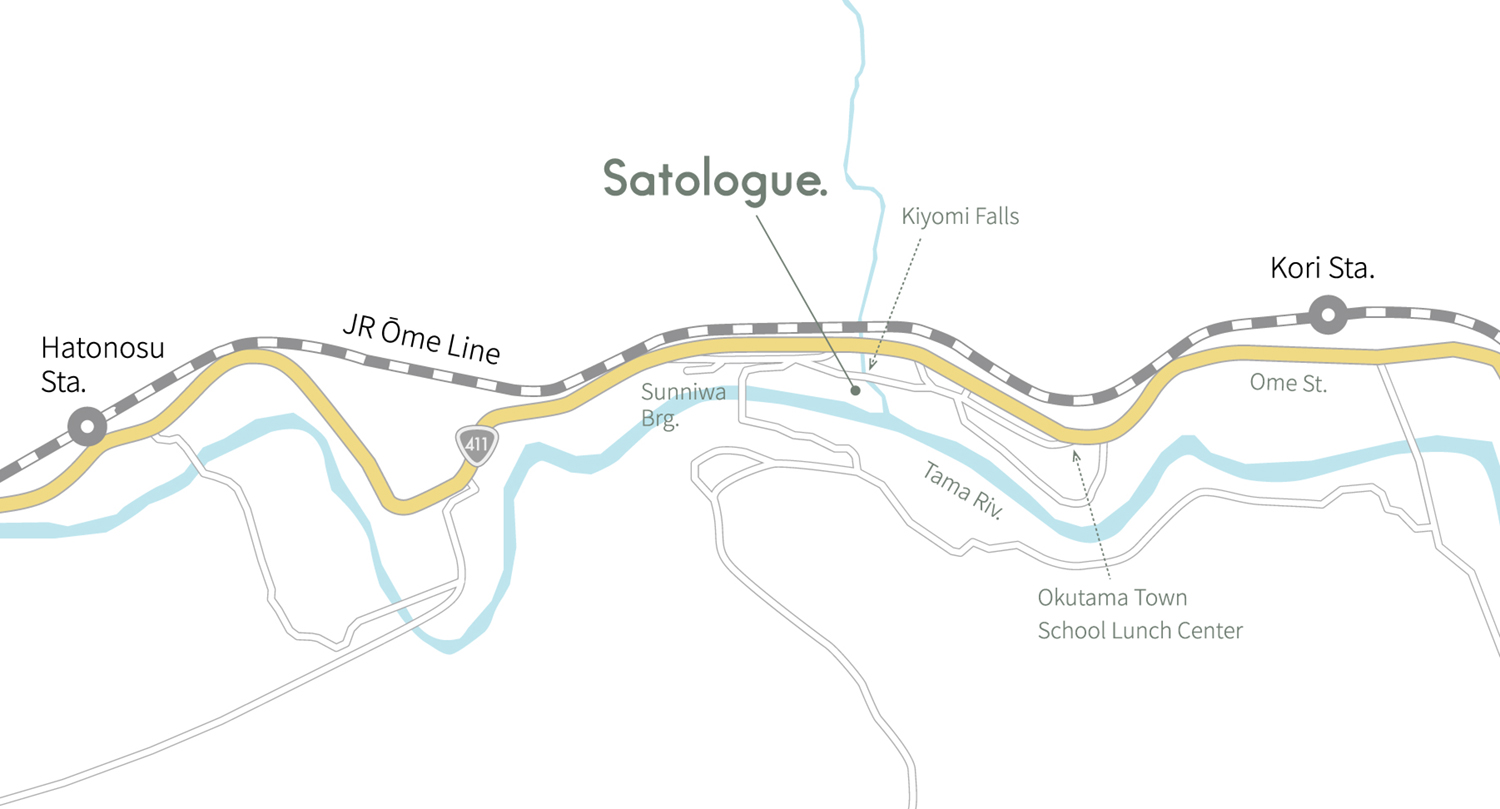
Ensen Marugoto is a tourism concept introduced as a partnership between Satoyume Co., Ltd. and East Japan Railway Company (JR East). It was designed to introduce the small hometown feel of the local communities along the JR Ome train line in Okutama, Tokyo, a rural part of Tokyo prefecture outside of the metro area.
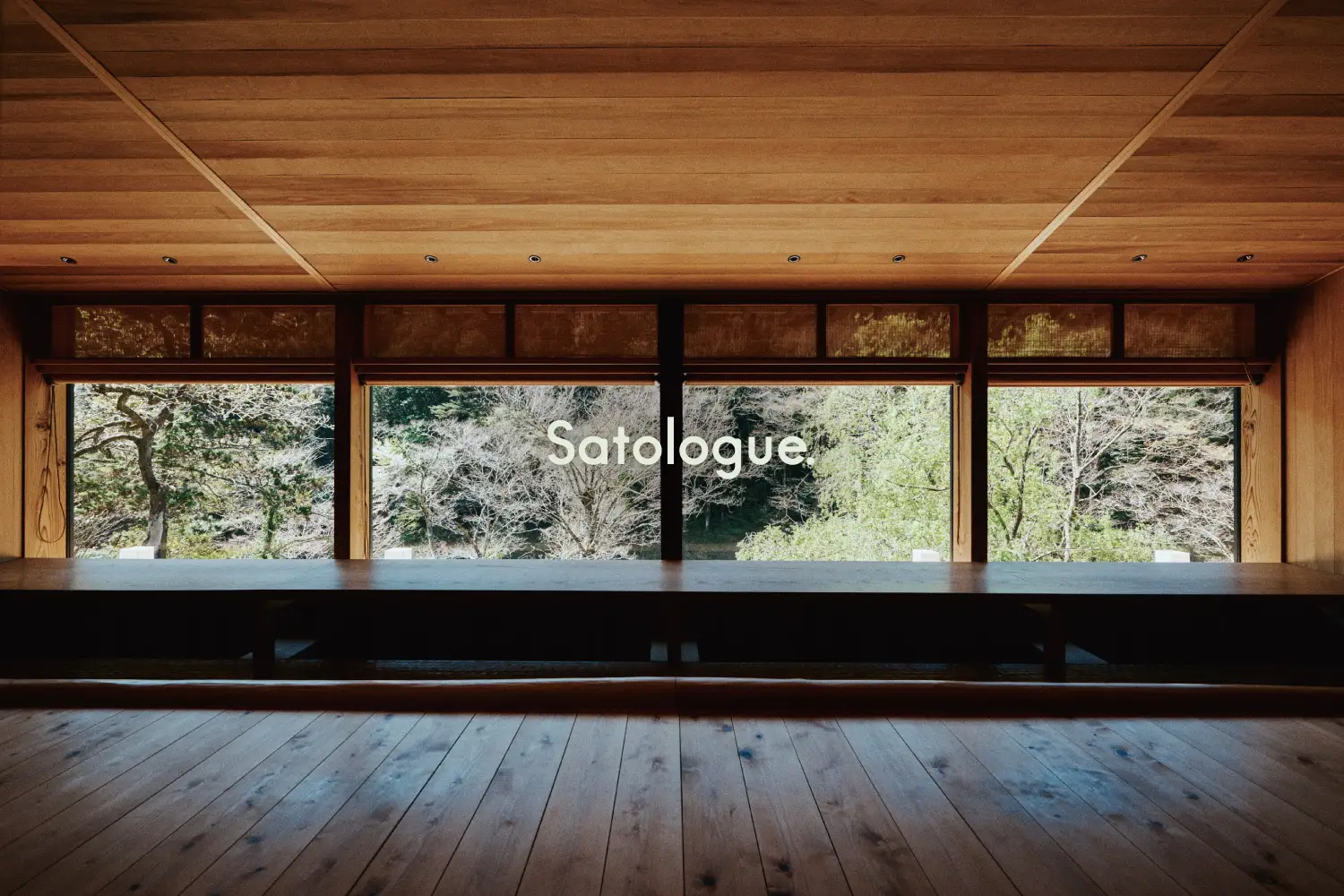
On May 25th, 2025, they opened hotel Satologue, a hospitality experience designed to be the hub for the entire Ensen Marugoto concept. Satologue combines the Japanese word "sato", meaning "village" and "-logue" from dialogue, to express the hospitality group's concept of weaving local community life with a guests stay through nature, food and local guides.
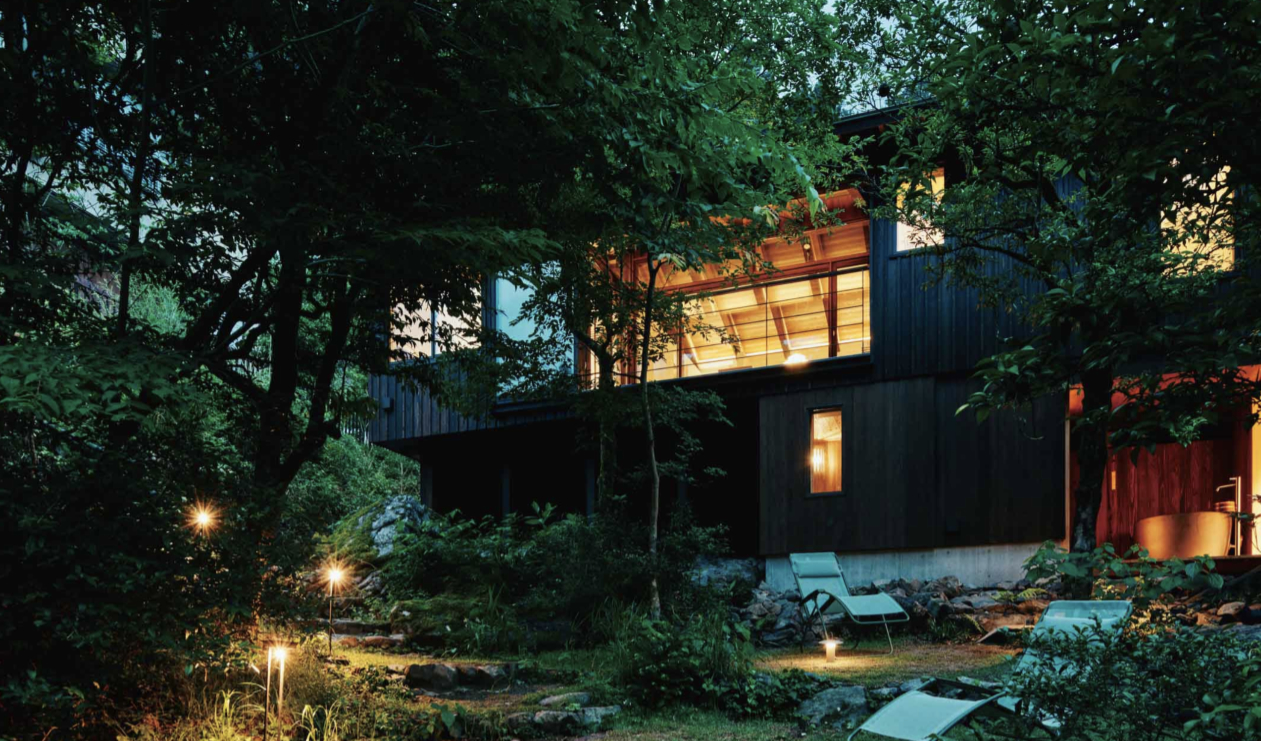
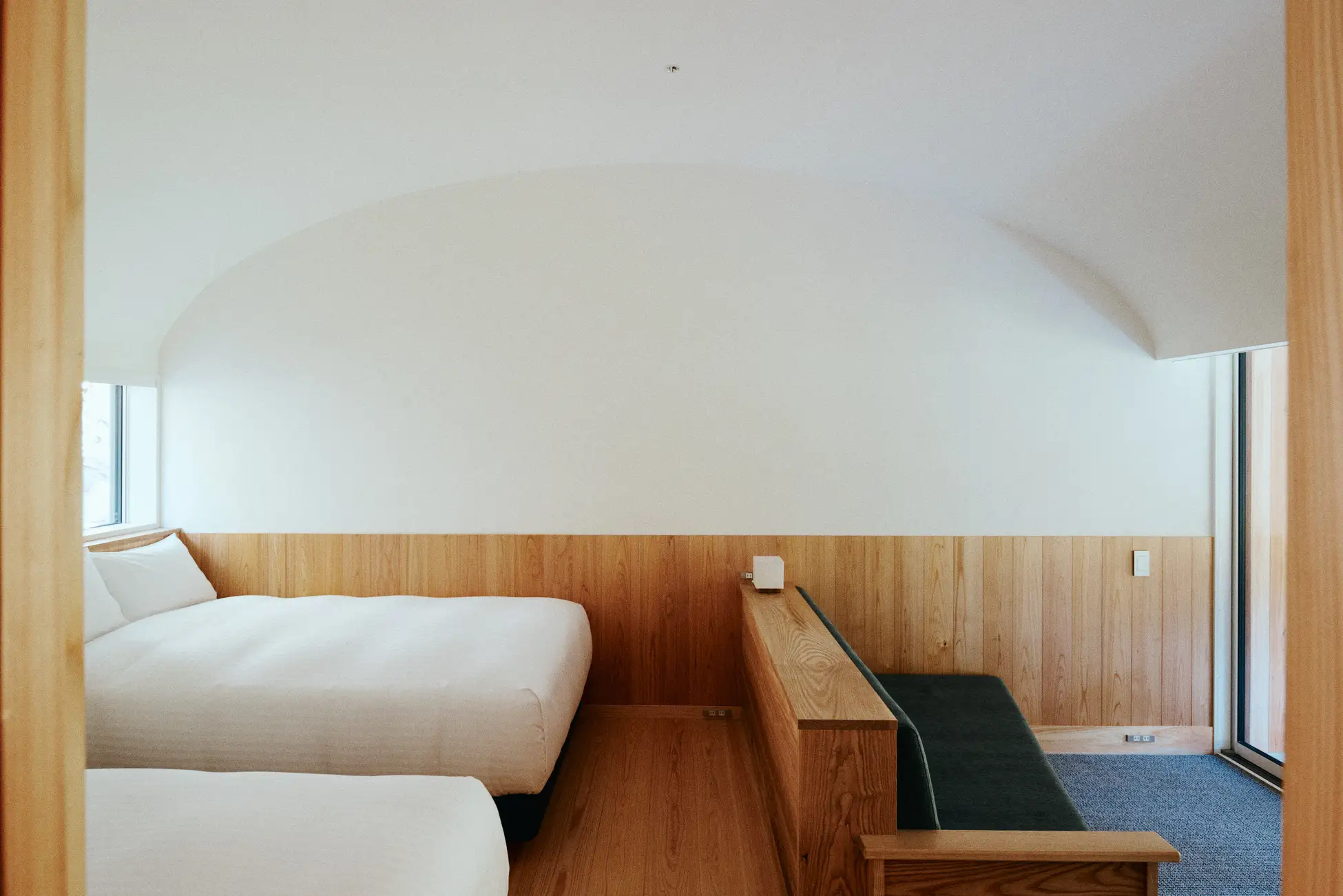
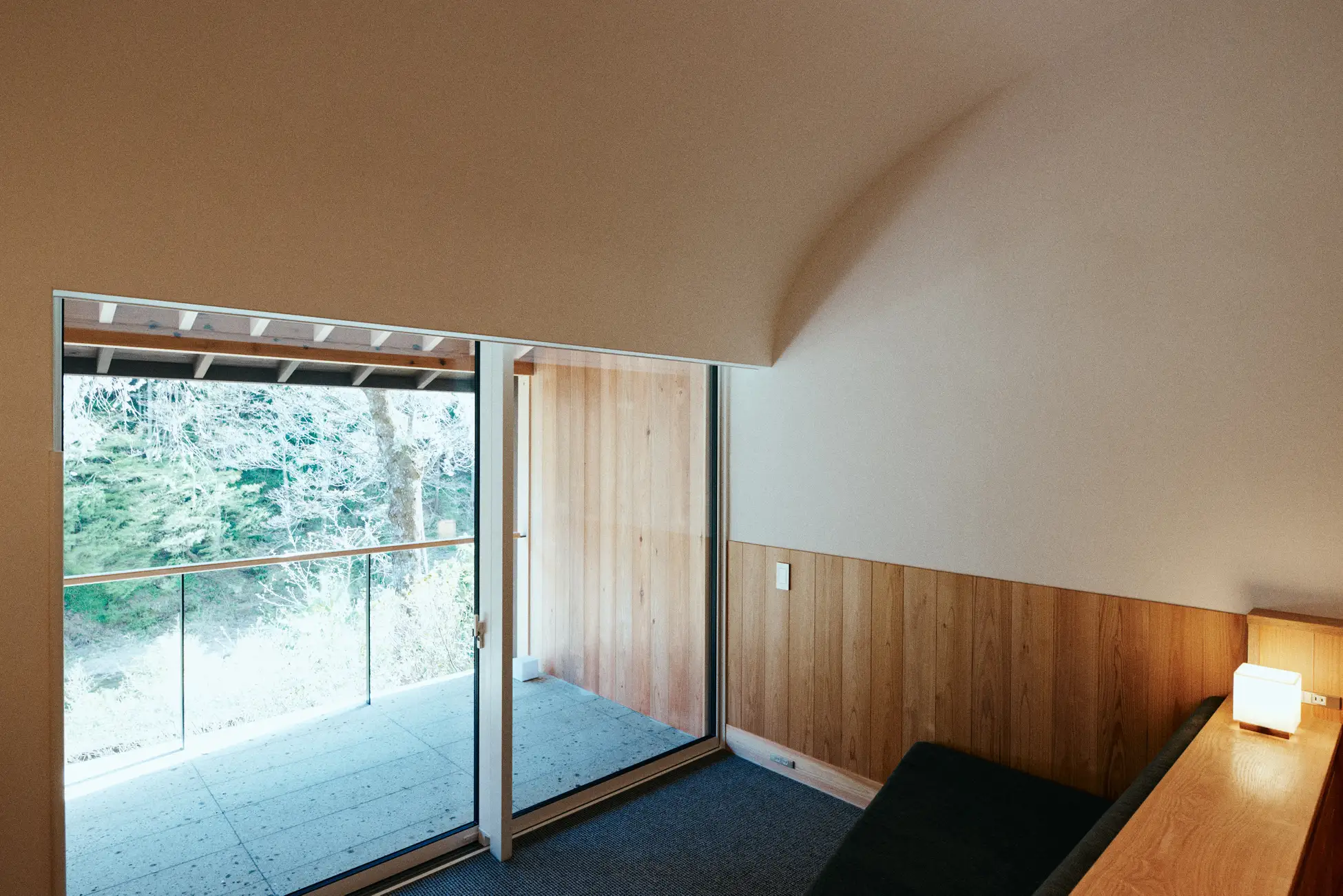
Satologue consists of four twin rooms, a lounge, a restaurant, and a sauna located between the Hatonosu station and Kori station along the Ome line. Guests can check in at Hatonosu Station, receive transportation from local staff, enjoy cuisine made with regional ingredients, use a wood-fired sauna fueled by Okutama timber, and participate in local activities such as firewood chopping, vegetable harvesting, bonfires, and stargazing. The accommodation building was designed by architect Yasushi Horibe, known for his use of natural materials and design aesthetic that seamlessly merges with the outdoors.

Creating an Integrated Hospitality Experience Through Strategically Leveraged Local Resources
The significance of this initiative lies in how it extends hotel operations beyond the property itself to include the railway line and the surrounding community. Check-in is at Hatonosu Station, transportation offered by local staff, meals made with regional ingredients, nature-based activities, and local mobility services are all designed as parts of a single stay experience.
Unlike conventional resort hotels that concentrate services within the property, Satologue incorporates existing regional assets - including the station, transportation infrastructure, local residents, local food resources, and the natural environment - into its hospitality operations. Rather than letting transportation, accommodation, dining, and local experiences exist as fragmented services, they're designed as one continuous customer journey, creating a distinct hospitality model.
Instead of launching all service segments in one push, the project has expanded in multiple stages. Following a pilot program in 2021, a joint venture was established; the restaurant and sauna opened in May 2024; and the hotel opening followed in May 2025. Within the first three months after opening, the accommodation building recorded an average occupancy rate of approximately 50%, while the restaurant and sauna welcomed more than 5,000 cumulative visitors. These results demonstrate that the project has successfully expanded its operations while attracting both overnight guests and day visitors.
The core of this initiative is not simply the construction of a new hotel. It is the creation of a hospitality model that reconfigures existing local infrastructure, businesses, natural and cultural resources into one integrated hospitality experience, allowing the wider region to operate as a cohesive guest experience.
Personalizing the Experience Starts With Pre-Arrival
This initiative demonstrates that creating a distinct hospitality experience in Japan does not necessarily require building large-scale facility. Instead, greater value can be created by integrating existing regional assets into a single customer journey and designing a consistent brand experience.
Rather than concentrating every guest interaction within the lodging itself, companies can identify existing local assets that can strengthen the overall customer experience. Determining which parts of the guest journey are best delivered by internal resources, VS partnerships with local businesses, community organizations, and regional service providers will allow each party to contribute its expertise in a meaningful manner.
From a customer relations perspective, guest preferences - such as interests in local food, nature, culture, or outdoor activities - can be collected during the booking process and used to personalize recommendations throughout the stay. Companies should also ensure that these details are appropriately shared across staff and partner organizations so that accommodation, transportation, dining, and local experiences are delivered as one seamless journey rather than as separate services.
By designing the experience from pre-arrival to local interactions, dining, transportation, and post-checkout exploration, hospitality brands can share the pleasures of the destination in ways that a hotel or lodging facility alone cannot.
Accommodation occupancy rate:
・Approximately 50% on average during the first three months after the opening of the first accommodation building
Cumulative restaurant and sauna visitors:
・More than 5,000
Awards and recognition:
・Award winner at the 9th Japan Tourism Awards (2025)
・7th Japan Tourism Awards
・Newsweek Japan’s 2nd SDGs Awards
・Forbes JAPAN Entrepreneur AWARD 2024