%402x.svg)
Flagship Initiative Between Lawson and KDDI
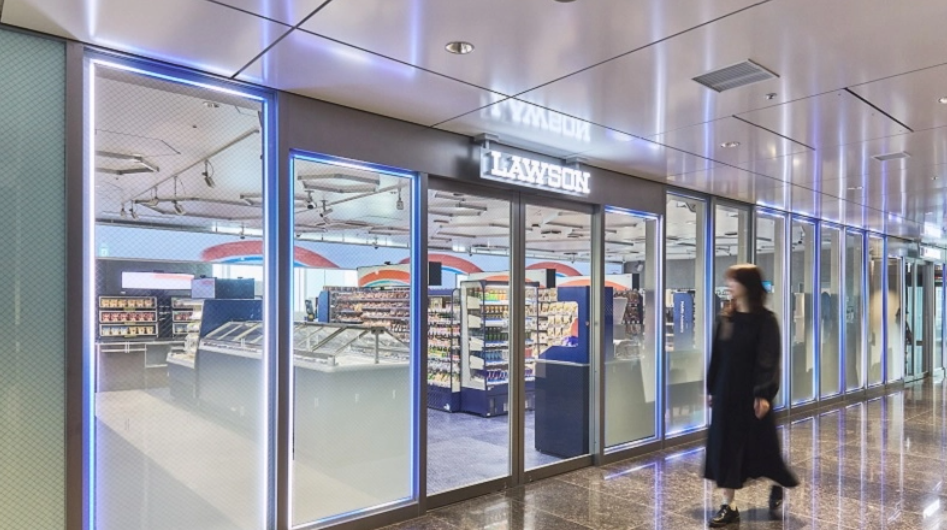
Lawson partnered with KDDI to open the first “Real×Tech LAWSON” store in June 2025 at Takanawa Gateway City in Tokyo.
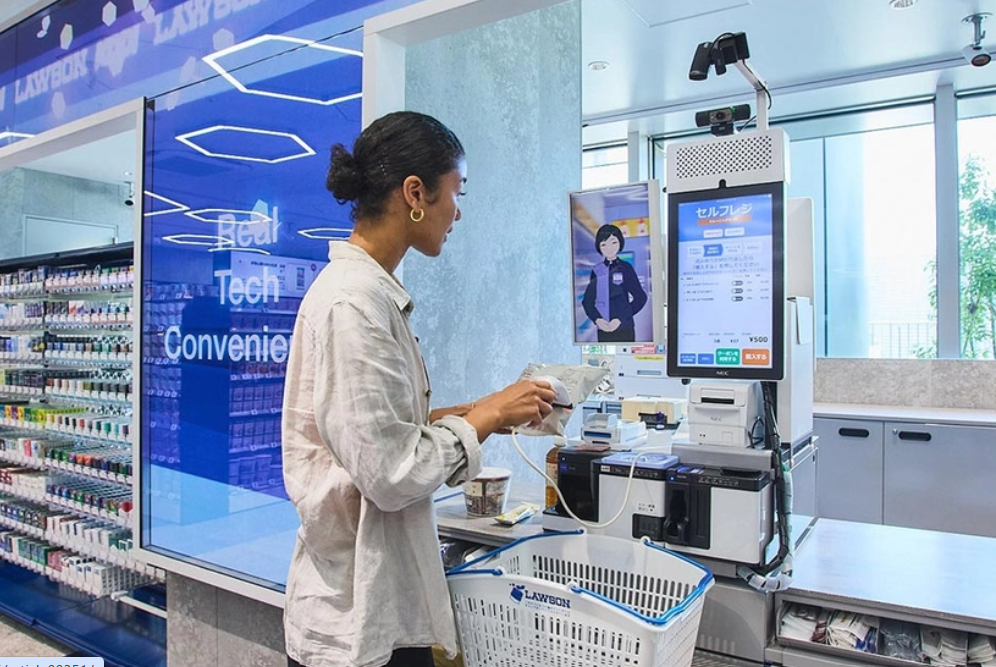
The next-generation convenience store integrates digital technologies with physical retail operations, using AI-powered cameras and digital signage to analyze customer behavior, deliver real-time product recommendations, and enhance the overall shopping experience while increasing basket size.
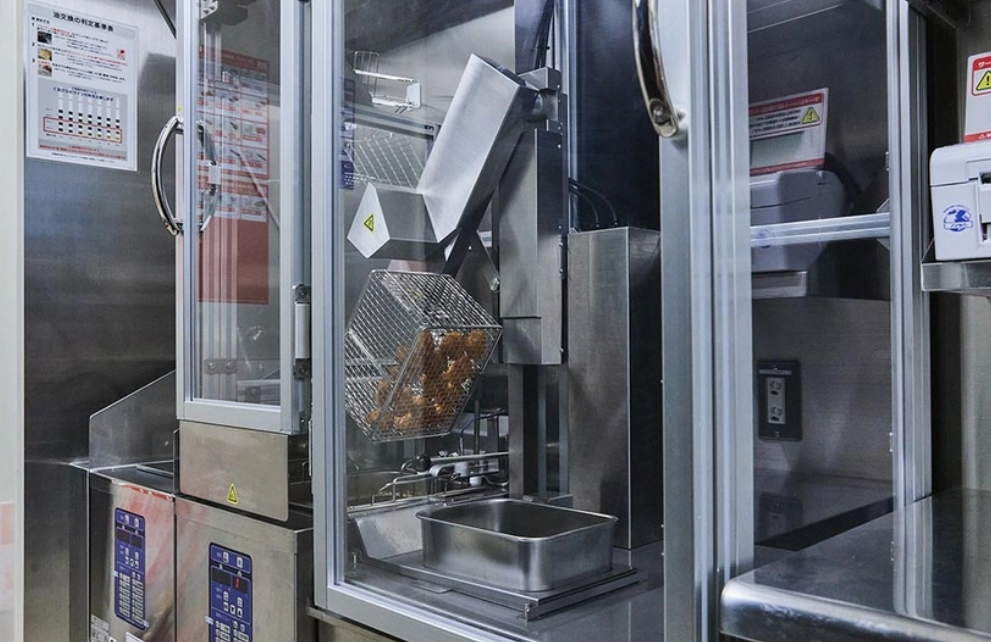
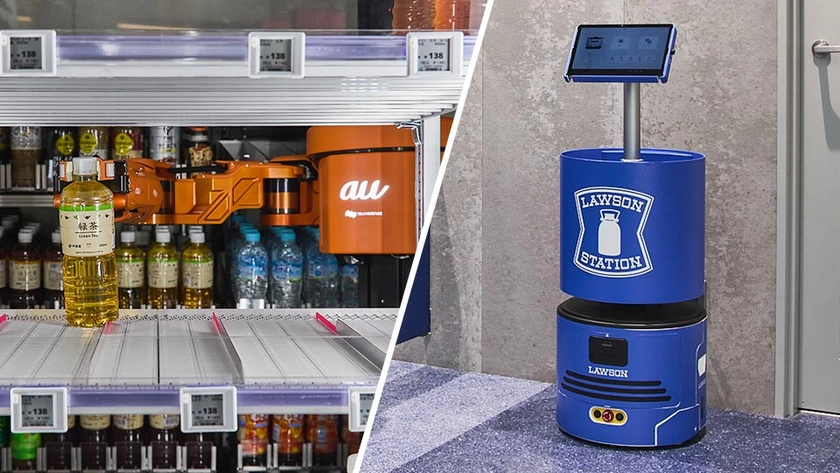
The store also incorporates cooking robots, cleaning robots, shelf-restocking robots, and remote customer-service avatars to address labor shortages and improve operational efficiency. Through these pilot initiatives, Lawson aims to simultaneously increase sales and reduce labor hours, with successful solutions expected to be rolled out across its nationwide store network.
Notably, Lawson does not view technology as a replacement for human interaction. According to company representatives, physical stores and their employees remain valuable assets, and technology should support the warm, personalized service and communication that only people can provide. The company’s vision is to combine digital innovation with human-centered customer service.
The project serves as a flagship initiative of the “Real×Tech Convenience” strategy that emerged following KDDI’s investment in Lawson. Beyond improving retail operations, the initiative seeks to transform convenience stores into essential community infrastructure capable of addressing broader societal challenges, including Japan’s aging population and ongoing labor shortages.

Leveraging Robotics Beyond Function
Lawson’s AI and Robotics Pilot Store (Real×Tech LAWSON) is an innovative initiative that addresses major challenges facing Japan’s convenience store industry, including labor shortages and rising labor costs.
Due to Japan’s aging population and declining birthrate, finding workers has become increasingly difficult. At the same time, retailers must improve efficiency while maintaining service quality. Real×Tech LAWSON uses AI cameras and robots to automate simple tasks such as stocking shelves, inventory management, and cleaning. This allows employees to focus on customer service and other higher-value tasks.
The initiative is not just about reducing costs; it is also a model for creating a more sustainable store operation.This initiative appeals to Japanese consumers because it combines both convenience and high-quality customer service. Many consumers lead busy lives and value fast and efficient service, but they also expect a comfortable shopping experience and friendly customer support. While Lawson uses AI and robotics to improve efficiency, it still maintains the value of human interaction. By balancing technology and hospitality, Lawson can offer both convenience and a positive customer experience.
What makes Real×Tech LAWSON different from competitors is that it is not only focused on store automation, but also on improving customer experience and solving social issues at the same time. While competitors mainly use robots to improve back-office operations such as stocking and cleaning, Lawson is also enhancing customer interactions through avatar customer service and digital signage. In addition, avatar-based customer service creates new possibilities for flexible ways of working and supports workforce diversity and ESG (Environmental, Social, and Governance) goals. Furthermore, under its vision of becoming a “Machi no Hot Station” (Community Hub), Lawson aims to transform its stores into local information infrastructure and connect them with urban operating systems and data platforms. This broader vision makes Lawson’s strategy unique within the convenience store industry.
The most important lesson companies can learn from Lawson’s AI and Robotics Pilot Store is that technology should not be viewed merely as a cost-reduction tool, but as a way to enhance customer value while addressing broader social challenges.
Specifically, Lawson uses AI and robotics to automate routine tasks such as shelf restocking and inventory management, allowing employees to focus on higher-value activities that require human interaction, including customer service and support. This represents a highly strategic approach to Japan’s labor shortage challenge, as technology is used to create more capacity for employees to concentrate on the roles that humans are uniquely suited to perform, such as service delivery and community engagement.
For companies seeking to enter the Japanese market, partnering with established retailers may often be more effective than launching a retail business from scratch. Japan’s convenience store industry is dominated by three major players with strong market positions, making direct market entry both costly and highly competitive. Instead, companies can follow the example of Cloudpick, which provides walk-through payment technology used at Real×Tech LAWSON, by offering specialized solutions in areas such as AI, robotics, and data analytics through SaaS or RaaS models. By helping major retailers solve operational challenges, foreign companies can gain access to the Japanese market in a more practical and scalable way.
Customer traffic and sales figures for Takanawa Gateway City have not been publicly disclosed.Lawson reported a record-high consolidated net profit of 65.2 billion yen for the fiscal year ending February 2026, marking a 9% year-on-year increase. This growth was driven by successful promotional campaigns, such as volume-increase initiatives, and improved profit margins supported by an AI-powered automated ordering system.Lawson has set a target to reduce store operations by 30% by the end of fiscal year 2030.