%402x.svg)
Japan’s Leading QR Payment Platform Partners With WeChat Pay
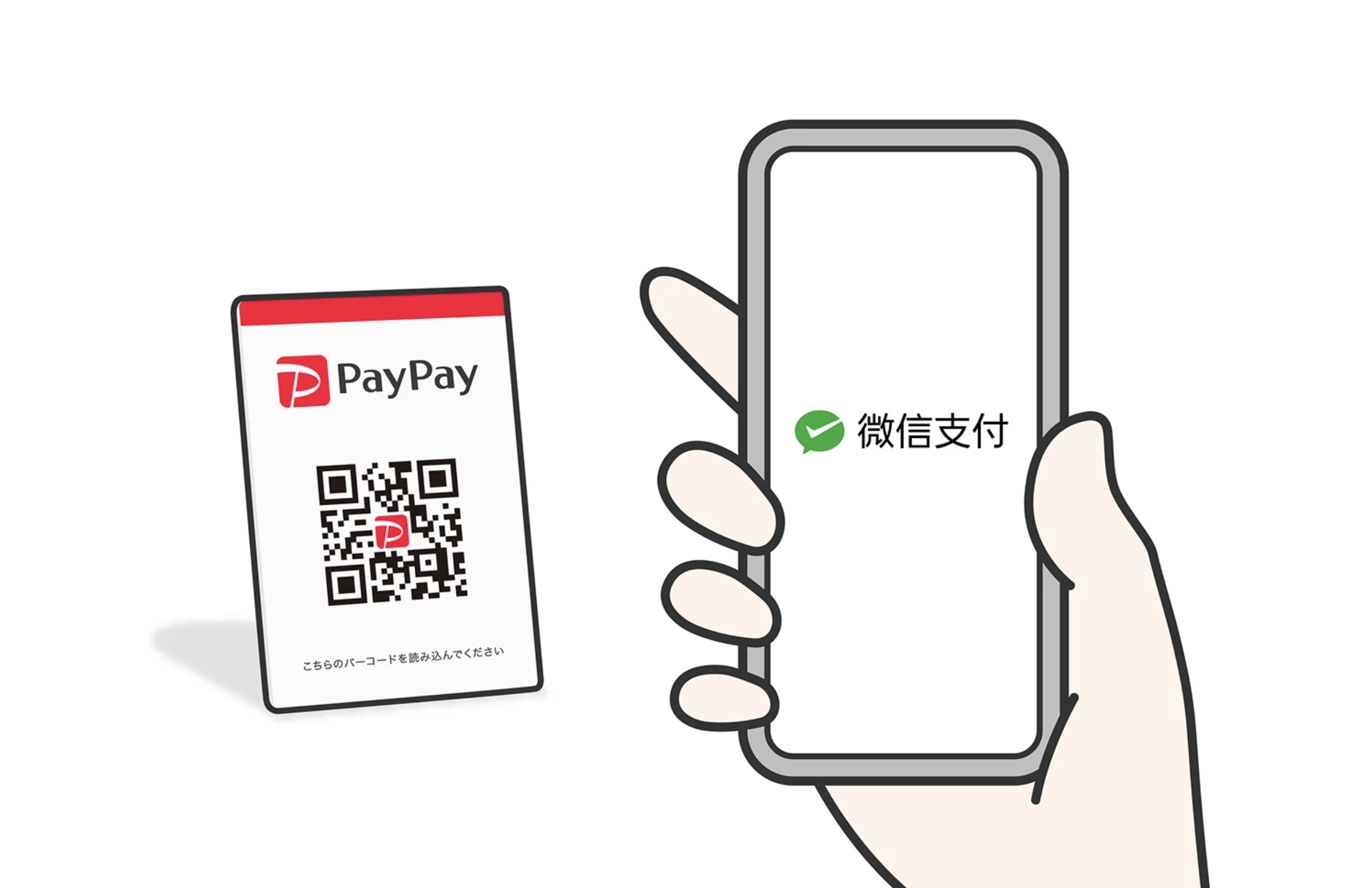
In September 2025, PayPay - Japan’s leading QR payment platform with 70 million users - enabled users of WeChat Pay to make payments at all PayPay merchants across Japan.
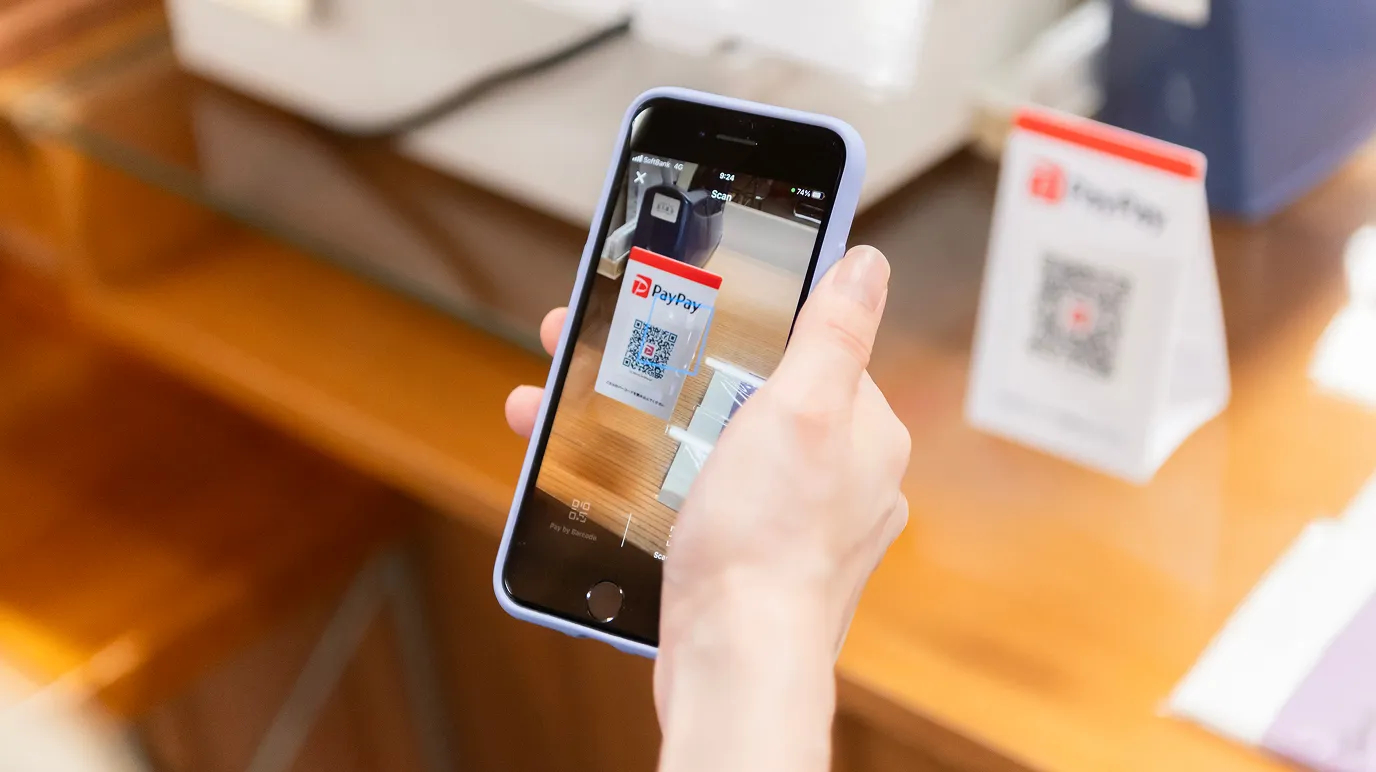
The core benefit of this initiative is that millions of merchants nationwide can accept payments from inbound tourists using their native apps, without any additional hardware or complex contract changes.
As Japan recorded a record 3.4 million international visitors in August 2025, this integration effectively fills a big "missing piece" in capturing inbound tourist spending.
Furthermore, by adding WeChat Pay - which has over 1.4 billion users - to its existing Alipay+ network (covering 26 overseas e-wallets), Japan’s retail ecosystem is now equipped to serve customers across Asia with a single QR code.

Never Loosing a Sale From Inbound Tourists From Asia
This initiative is highly effective in Japan because it eliminates both the psychological and physical barriers to payment, preventing lost sales from inbound tourists. By allowing Chinese visitors to pay with their native mobile payment app, WeChat Pay, it removes friction such as language, unfamiliar payment systems, and the need for cash - significantly reducing hesitation at the point of purchase.
From the merchant perspective, PayPay’s single QR code system enables even small, local businesses to accept payments from customers across Asia without additional hardware or cost. This opens up opportunities for vendors, allowing mom-and-pop shops to gain access to the same payment infrastructure as large retailers.
Crucially, integration with WeChat Mini Programs extends the value beyond payment. Transactions become an immediate entry point for CRM, allowing merchants to convert one-time tourists into long-term customers through post-visit engagement, promotions, and cross-border commerce. This aligns strongly with Japan’s retail environment, where repeat relationships and trust are key drivers of value.
Integrating with Local Payment Platforms Removes Friction
To effectively capture inbound demand in Japan, companies should integrate with local QR payment platforms such as PayPay and enable widely used payment methods like WeChat Pay and Alipay. By allowing tourists to pay with familiar systems, companies can eliminate friction related to language, currency, and payment uncertainty, directly increasing purchase intent at the point of sale. Notably, PayPay enables access to multiple international e-wallets through a single integration, making it a highly cost-effective and scalable solution for serving cross-border customers.
More importantly, companies should design beyond the transaction itself. Payments should not be treated as the end of the customer journey, but as the starting point of ongoing engagement. Leveraging ecosystems like WeChat Mini Programs - which require no app download - allows brands to maintain relationships with customers even after they return home, enabling cross-border e-commerce, targeted promotions, and long-term value creation (LTV).
Ultimately, the key lesson for companies is to avoid forcing proprietary systems or standalone apps. Instead, leveraging existing platforms that are widely accepted to deliver a zero-friction experience will minimize market entry barriers. This approach is critical to building sustainable competitive advantage in Japan’s inbound-driven retail landscape.