
A Relaunch So Successful They Cancelled a Second Release
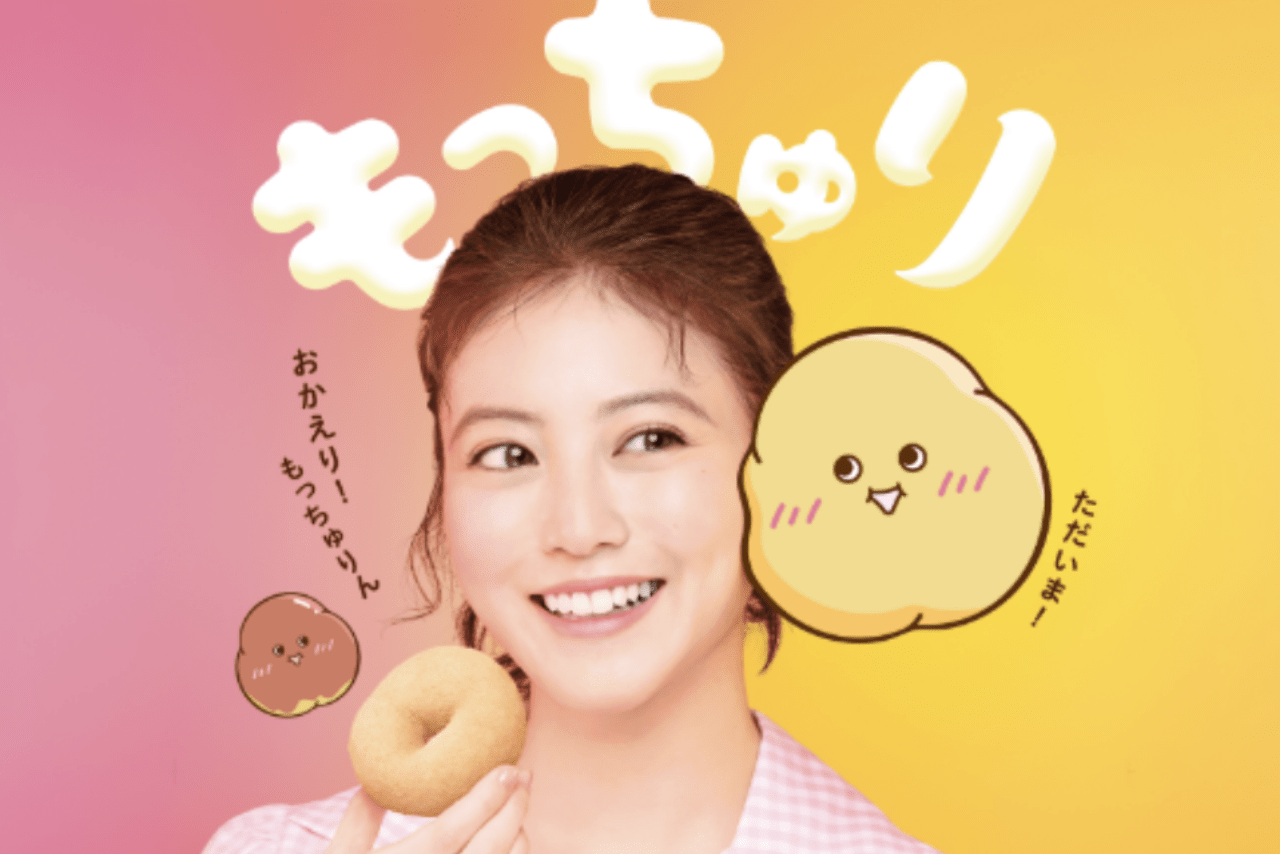
Mister Donut originally launched Mochurin donut in 2025, resulting in widespread popularity that was sold out everywhere throughout the country.
On June 3, 2026, the company reintroduced its popular “Mochurin” donut series nationwide - this time the company revised its sales operations by opening online reservations earlier and publishing store-specific sales schedules and purchase rules. After the re-launch, the Mochurin line generated significant traction on social media and sold out at many stores. The company subsequently cancelled the planned second product release in order to prevent store congestion caused by the overwhelming demand that exceeded expectations.

A Perfect Storm: Texture, Buzz and Playful Name
The significance of the Mochurin donut launch is not simply due to it being a limited-edition product, but in generating traction through a differentiated product, scarcity, and the spread of information on social media.
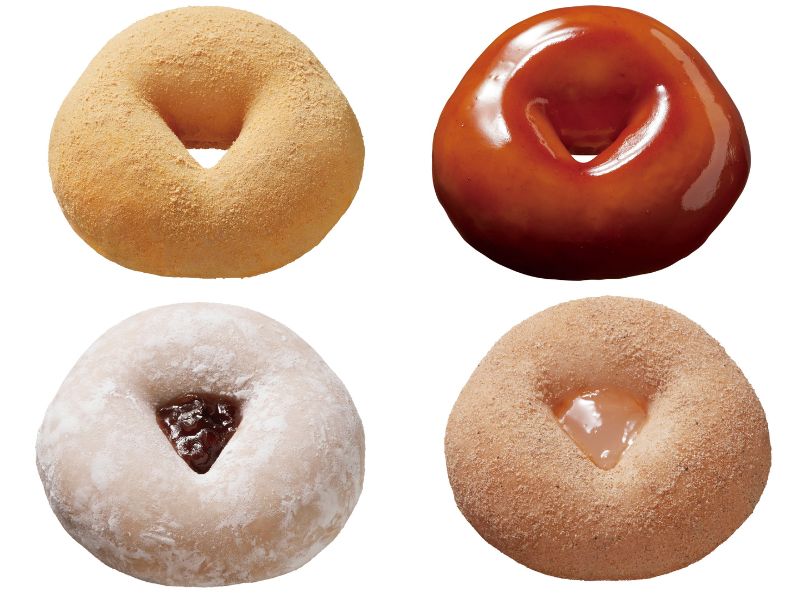
At the center of the initiative was the development of a new texture. Mister Donut is famous for its signature "Pon de Ring" - a chewy donut that takes the shape of a circle formed with spherical balls of dough - popularly recognized in the Western world as a "mochi donut", this is a form that Mister Donut in fact developed in the 90's.
Rather than introducing another flavor, Mister Donut created a new product, starting with a dough made with blend of domestically produced glutinous rice flour and regular rice flour paired with a coating developed specifically for this product to create what it calls the “mochuri" texture. This texture is unusually soft when held and is both springy and soft when bitten into. By focusing on creating a distinct texture as the product's defining feature, Mister Donut clearly differentiated Mochurin from its existing donut offerings.
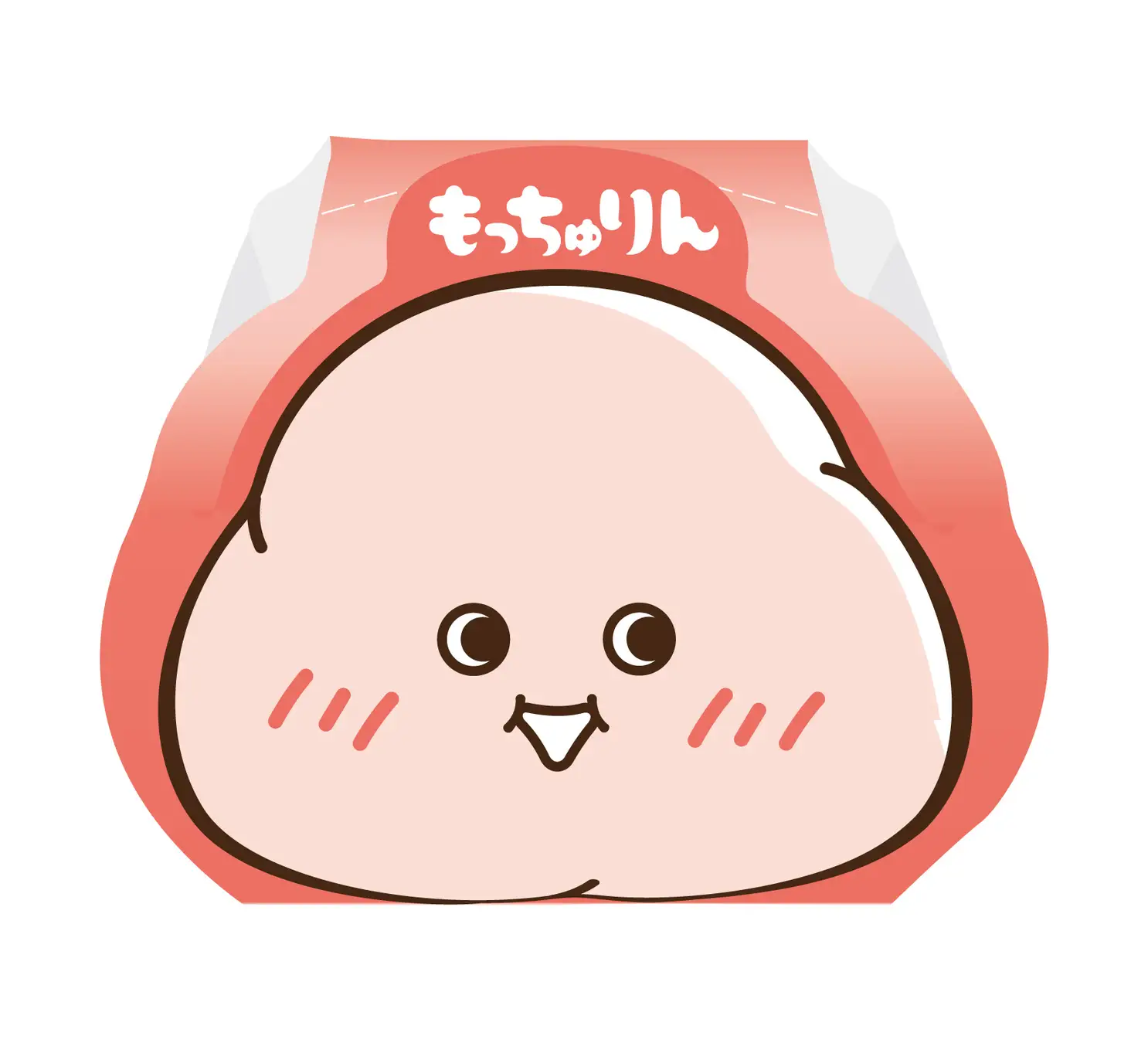
These characteristics were also reflected consistently in the product name. “Mochurin” functions as a word that expresses the product’s texture, making its key feature easier for consumers to remember and explain to others. "Mochuri" (without the n) is a play on "mochiri", an adjective describing the mochi-like texture. The "n" on the end comes from the ending of the Japanese word "shokkan" (食感), which means food texture. Using the product name itself to communicate a sensory quality that is otherwise difficult to understand before purchase was another important element of the marketing strategy.
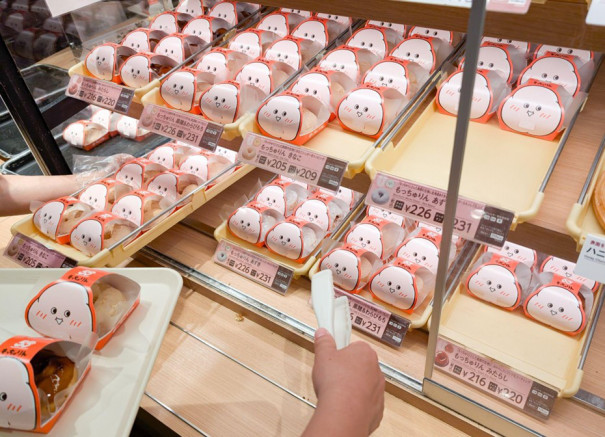
Additionally, limited availability and early sellouts at stores increased the product’s scarcity. On social media, consumers continued post updates about queues and product availability, as well as information about which store locations had product still available. As a result, discussion extended beyond the product’s taste and texture to practical questions such as where you could still buy items and whether it was still available, helping sustain interest after the launch.
When a Product Naming Is a Form of Expression
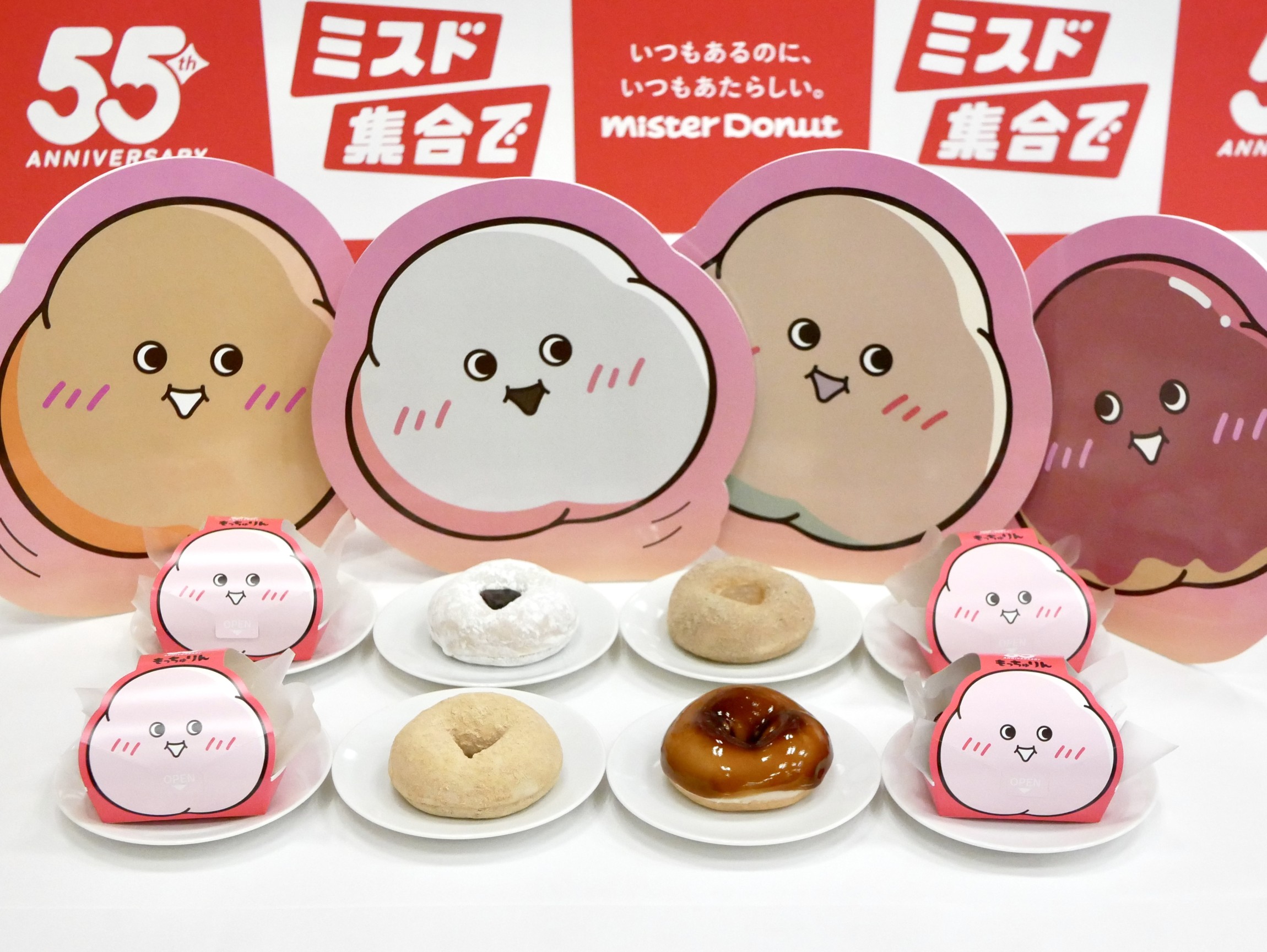
This case demonstrates the importance of translating a new product’s value into language that consumers can immediately understand, remember, and share, rather than focusing only on product attributes. Mister Donut did not place primary emphasis on ingredients or production methods. Instead, it created the distinctive phrase “mochuri texture” and used it consistently across the product name, character, packaging, and marketing communication.
When entering the Japanese market, companies should consider whether their product’s main feature can be expressed in a simple phrase that consumers can adapt. This is particularly important for qualities such as texture, fragrance, and usability, which are difficult to communicate before purchase. A memorable expression can make it easier for consumers to explain the product to others, talk about it on social media, and search for information online.
Product development and brand communication should therefore be developed together under a single cohesive strategy, rather than resolved separately. Instead of relying on advertising to repeatedly explain a product’s value, companies can create language and visual elements that allow consumers to communicate that value naturally. This can make unfamiliar product benefits easier to understand and help carve out a niche space within a product category.
Duskin net profit (Q1 FY 2025): JPY 1.8 billion (+23% YoY)
Duskin net sales (Q1 FY 2025): JPY 47.2 billion (+5% YoY)
Operating profit (Q1 FY 2025): JPY 2.1 billion (+13% YoY)
Food Group net sales (Q1 FY 2025): JPY 16.1 billion (+7% YoY)
Food Group operating profit (Q1 FY 2025): JPY 2.8 billion (+67% YoY)