

Introducing the World’s Largest Kura Sushi
On May 14, 2026, Kura Sushi Inc., one of Japan's leading conveyor-belt sushi restaurant chains, opened Kura Sushi Memorial Store in the Namba Sennichimae neighborhood of Osaka.
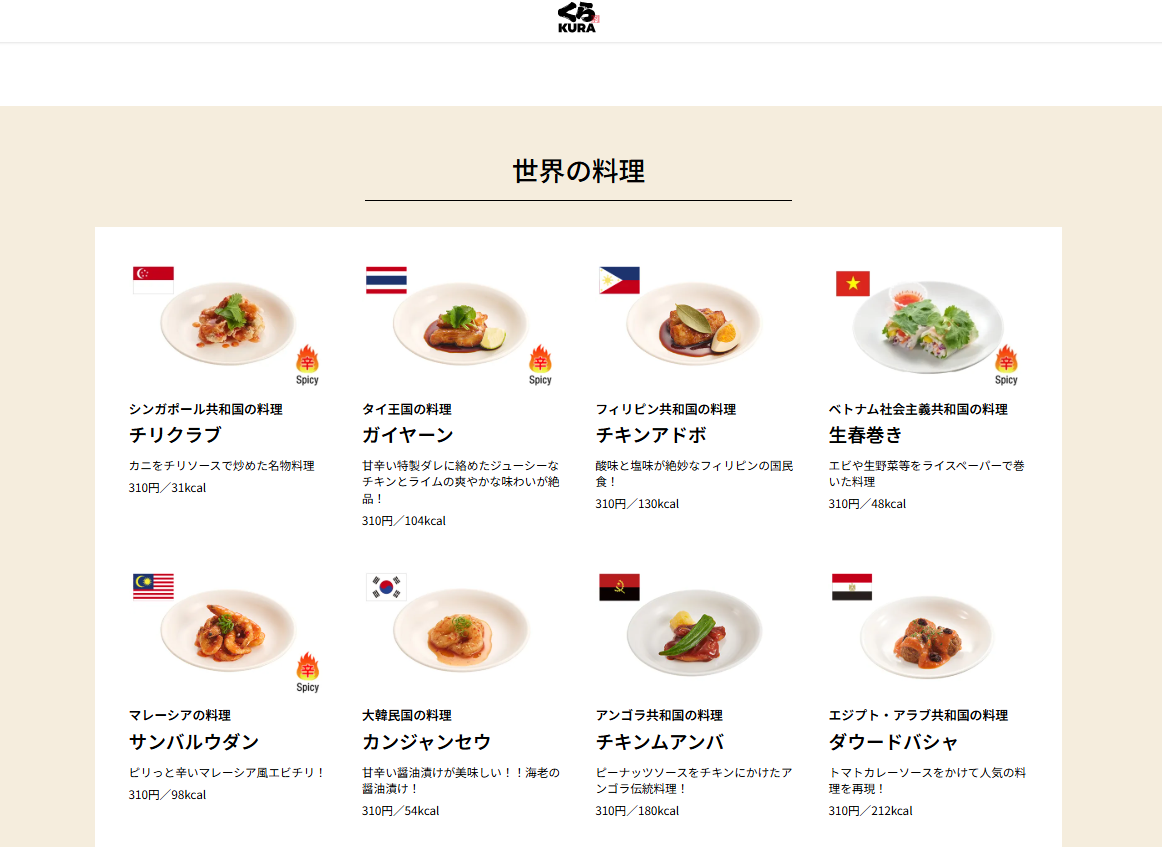
This permanent location carries forward the concept they introduced at the Osaka World Expo, which offered special menu items inspired by dishes from 70 countries and regions alongside its regular sushi menu.
With 898.07 square meters (approx. 9666 square feet) of floor space and 288 seats, it is the largest permanent Kura Sushi restaurant in the world.

Temporary Event Turns Sustainable Business Concept
The Kura Sushi concept launched at the World Expo in Osaka, featured representative dishes from more than 70 countries and regions alongside its regular sushi menu.
This offering, surprisingly created so much buzz that waiting times reached up to eight hours. Many visitors were also unable to enter simply due to capacity limits. Following the success of the Expo location, Kura Sushi opened a permanent restaurant in Osaka, where it continues to serve the same international dishes together with its regular sushi menu.
What differentiates this initiative from a typical event-based promotion is that Kura Sushi extended not only the menu but also several store design elements from the Expo store into their permanent restaurant format.
The permanent location serves the same international dishes while retaining design features such as wood-grain flat tables, tatami-style seating, and the antibacterial sushi cover installation, which was relocated from the Expo store. Rather than ending these elements with the event, Kura Sushi incorporated them into the new permanent restaurant.
While the introduction of international dishes at a Japanese restaurant may seem notable, this initiative is particularly unique given that a temporary event concept became a proof of concept, rendering it to be so successful that they built a permanent location.
Localizing the Format, vs the Product
Many companies simply view short-term or initiatives such as pop-ups as a marketing initiative, and oftern overlook the opportunity to develop long-term businesss.
First and foremost, events can also serve as a testing ground for identifying which products and brand experiences can work in everyday store operations.
By designing products, brand assets and store concepts that can continue to be leveraged after an event ends, companies can turn temporary investments into lasting business value.
Furthermore, when companies introduce new cultures or products, it is important to adapt them into formats that feel familiar and accessible to the local customer-base, rather than bringing them into the market unchanged.
Kura Sushi served dishes from more than 70 countries and regions, but in small portions that were easy to order in a conveyor-belt sushi restaurant. For example, the most popular dish was a Hungarian dish, “Roasted Duck with Trufflea Sauce,” presented as a bite-sized item featuring smoked duck breast and mascarpone cheese on a crispy cracker. Other examples included Central African chicken muamba and Peruvian ceviche, a traditional dish of fresh seafood marinated with citrus and spices.
By offering dishes from Europe, Africa, and South America in a format that Japanese consumers could easily try, Kura Sushi made unfamiliar food cultures more approachable. Adapting products to locally accepted service formats and serving styles can lower the psychological barriers consumers may feel toward unfamiliar cultures and experiences.
・300,000+ visitors during the six-month Expo 2025 Osaka
・Approx. JPY 600 million in sales at the Expo restaurant
・Sales for the permanent Kura Sushi Memorial Store Namba Sennichimae have not been disclosed