
Two Shibuya Brands Partner for with Afternoon Tea
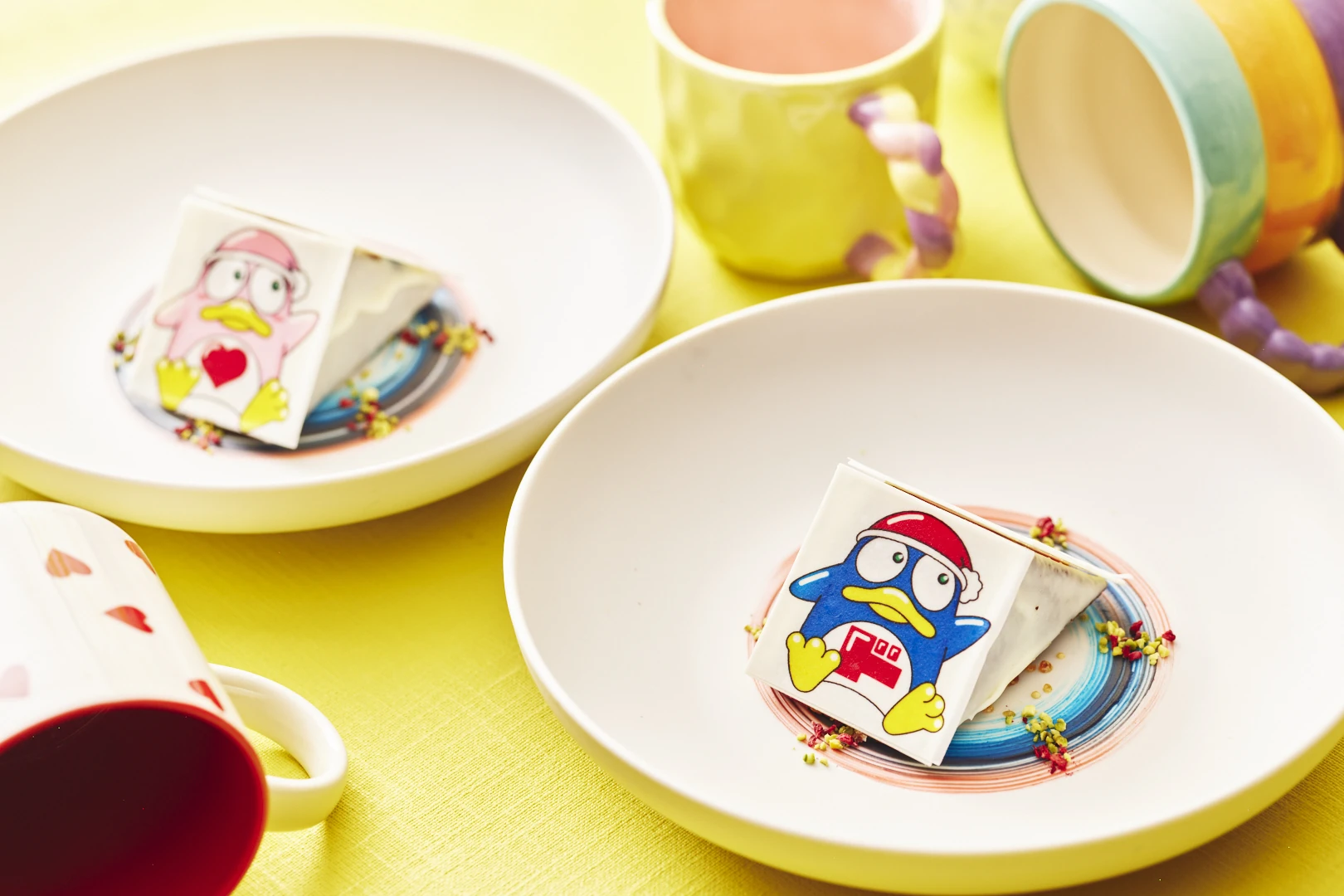
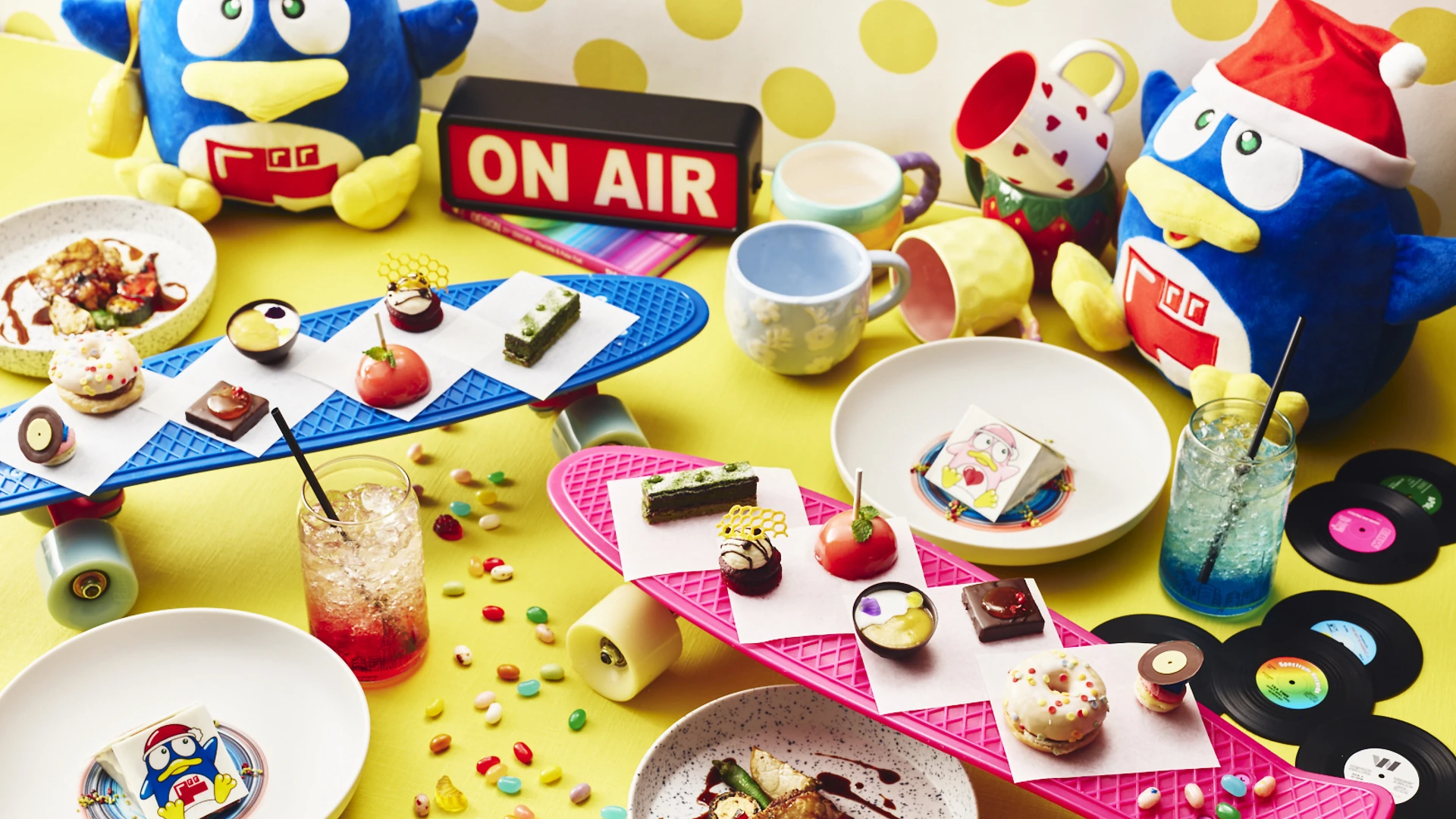
In June of 2025, Hotel Indigo Tokyo Shibuya collaborated with Don Quijote, one of Japan's best-known discount retail chains, to offer a themed afternoon tea.
By combining elements of a mass-market retail brand with luxury hotel dining, the collaboration created a playful and distinctive experience. It also reflects the accelerating commercialization of experiential afternoon tea culture in Japan.

Much Loved Local Character Brings Unexpected Joy
Hotel Indigo Tokyo Shibuya partnered with Don Quijote not simply as a high-profile collaboration, but as a way to bring to localized their brand concept.
Hotel Indigo is designed to reflect the culture, history, and identity of each local area through the guest experience. The hotel took Don Quijote's signature penguin characters - one of the most recognized symbols of the Shibuya neighborhood - and transformed it into an afternoon tea experience.
The location strengthens the relevance of the collaboration, given that Don Quijote operates on the first floor the hotel complex, and a MEGA Don Quijote is located directly across the street. This makes the initiative more than a cross-industry collaboration; it is an experience closely connected to this specific location and vicinity.
The initiative notably expands the customer base of Hotel Indigo Tokyo Shibuya's afternoon tea offerings. While previous afternoon tea offerings at the hotel were primarily visited by groups of women, this collaboration also attracted couples, fans of Don Quijote's characters Donpen and Donko, and increased its reach to inbound visitors already familiar with the retailer.
Social media reactions included comments describing the collaboration as "cute" and "unexpected," suggesting that the contrast between a luxury hotel and a discount retailer generated curiosity and helped attract new customer segments.
Driving Affinity through Relevance, VS Expectations
This case demonstrates that collaboration partners do not necessarily need to be brands of a similar positioning.
Brands with contrasting market position or perception under an authentic and intentional story can generate stronger consumer interest and create greater publicity.
When selecting brands to partner with, companies must look beyond brand image to consider whether a partner represents the culture and identity of the surrounding area. Incorporating locally recognizable brands or places into products, services, and spatial design can create experiences that are unique to a specific location while also attracting customer segments beyond the brand's traditional target audience.
Ultimately, designing collaborations based on authentic local relevance and compelling stories, rather than simply choosing brands for a cool-factor, can strengthen a brand's relevance within the local community while fostering stronger customer affinity.