%402x.svg)
Brining BAO BAO's Wonder to Life
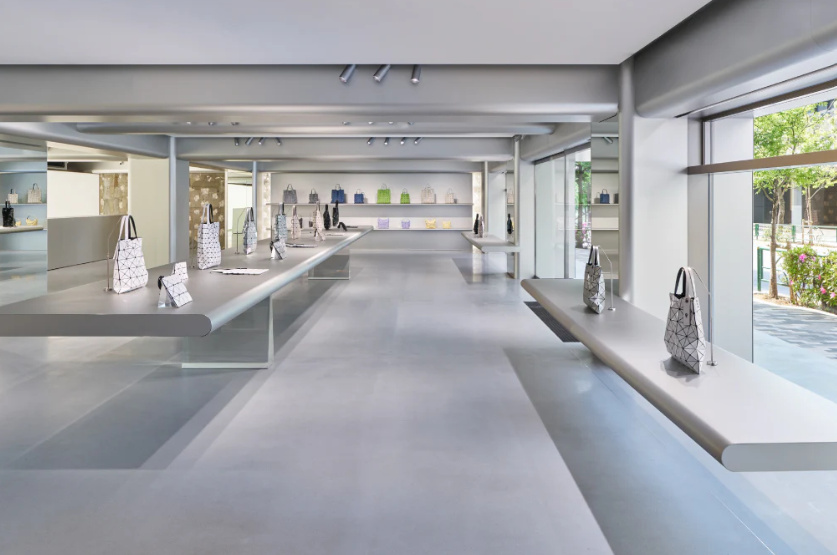
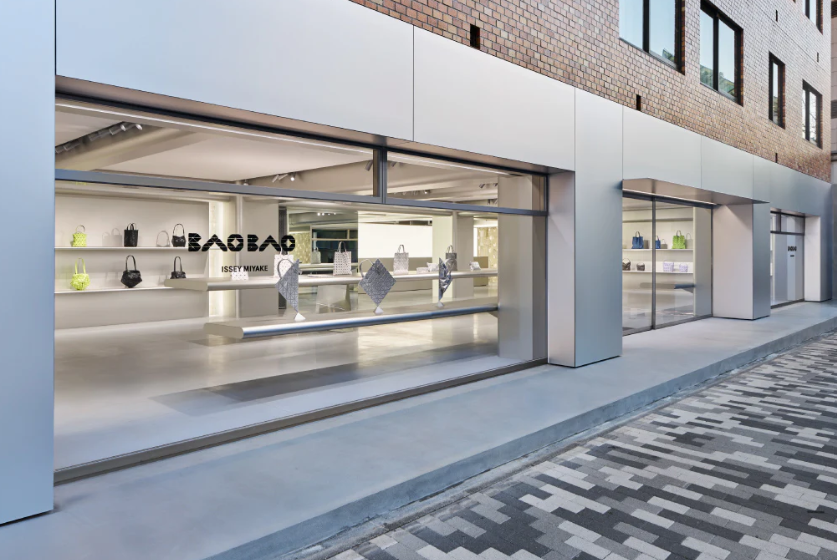
On April 24, 2026, Issey Miyake opened BAO BAO ISSEY MIYAKE / AOYAMA, the brand’s first flagship store in Japan, in Tokyo’s Minami-Aoyama district.
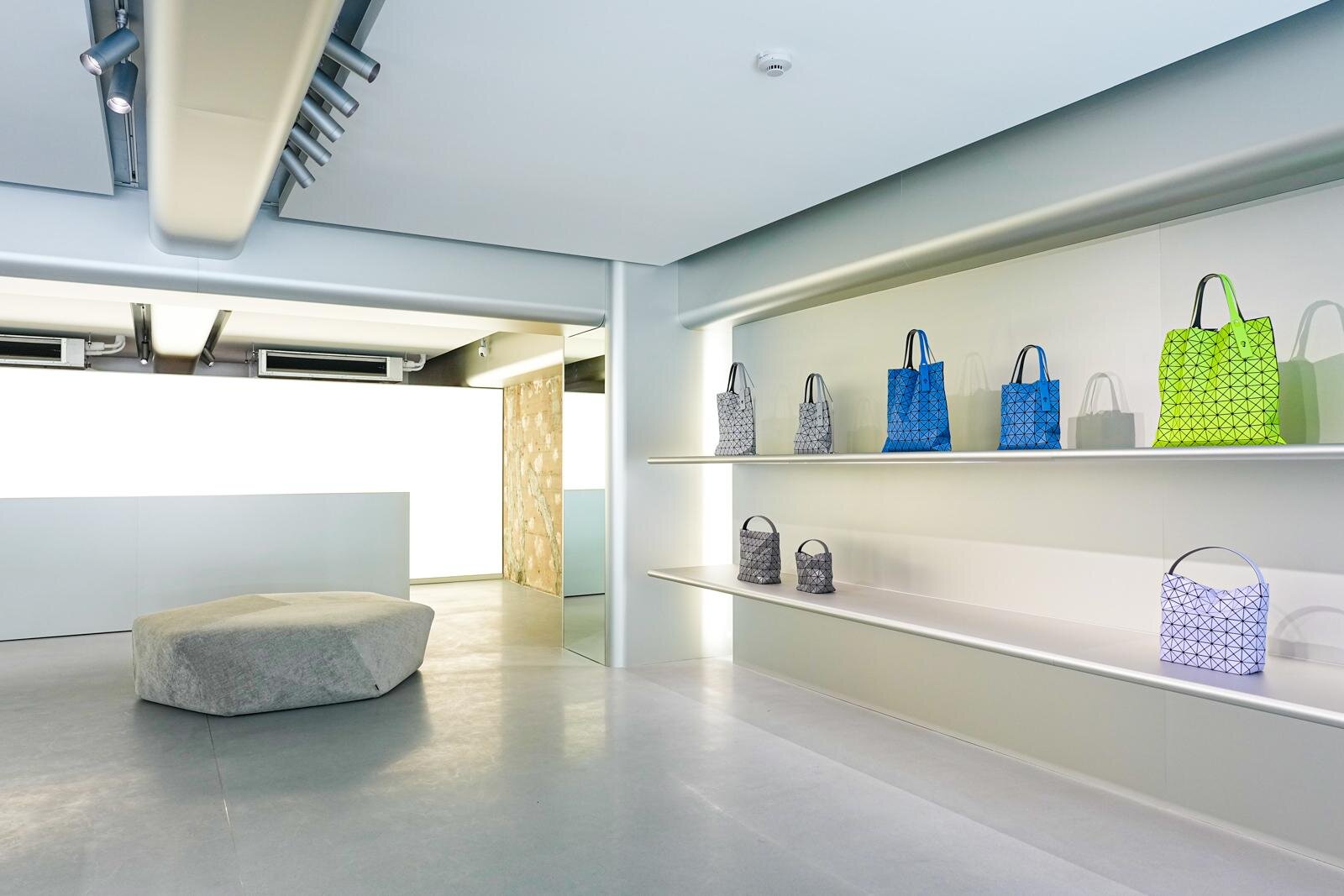
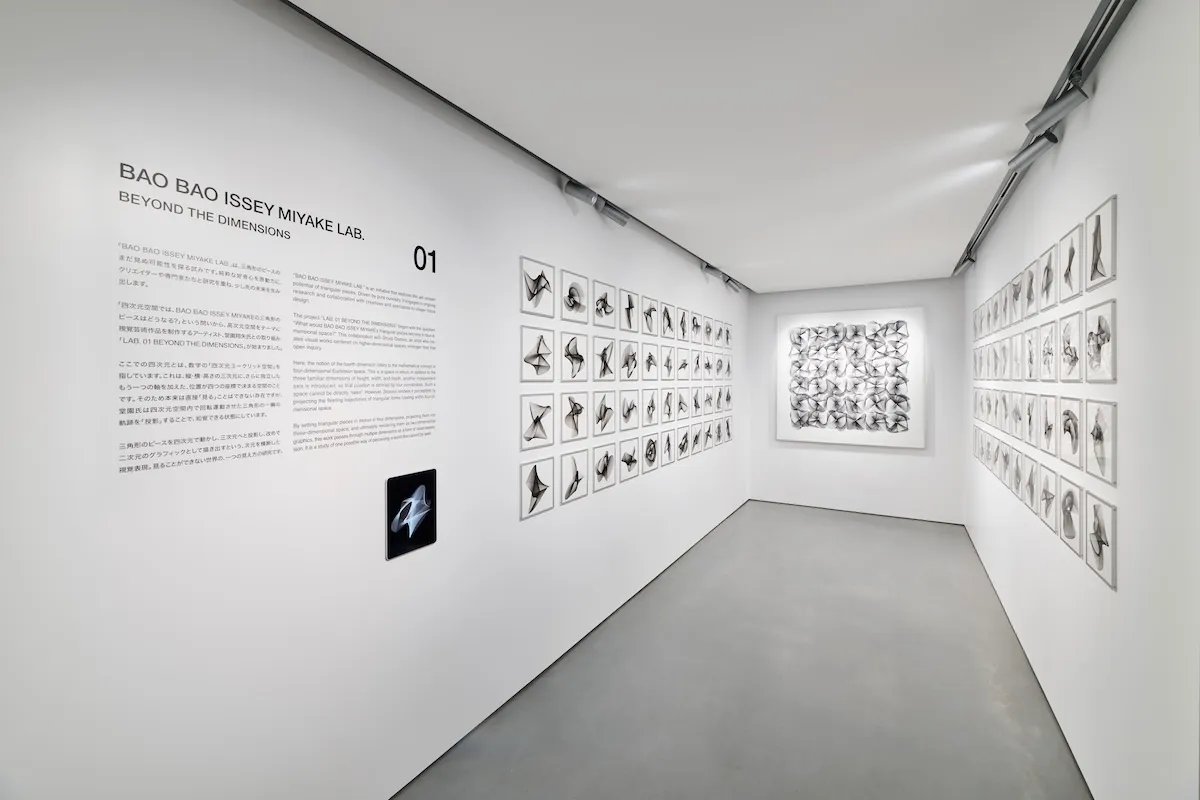
The 206-square-meter store showcases the brand’s full product lineup and also hosts exhibitions and creator collaborations through the BAO BAO ISSEY MIYAKE LAB. initiative.
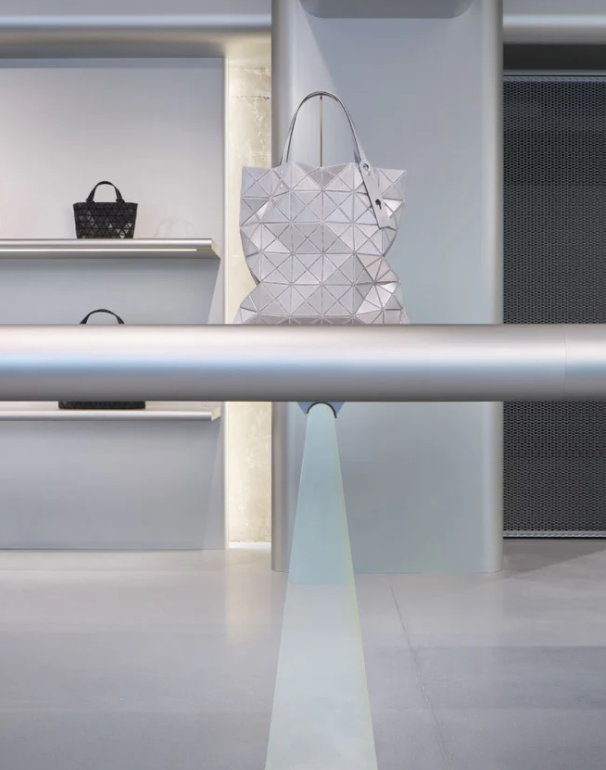
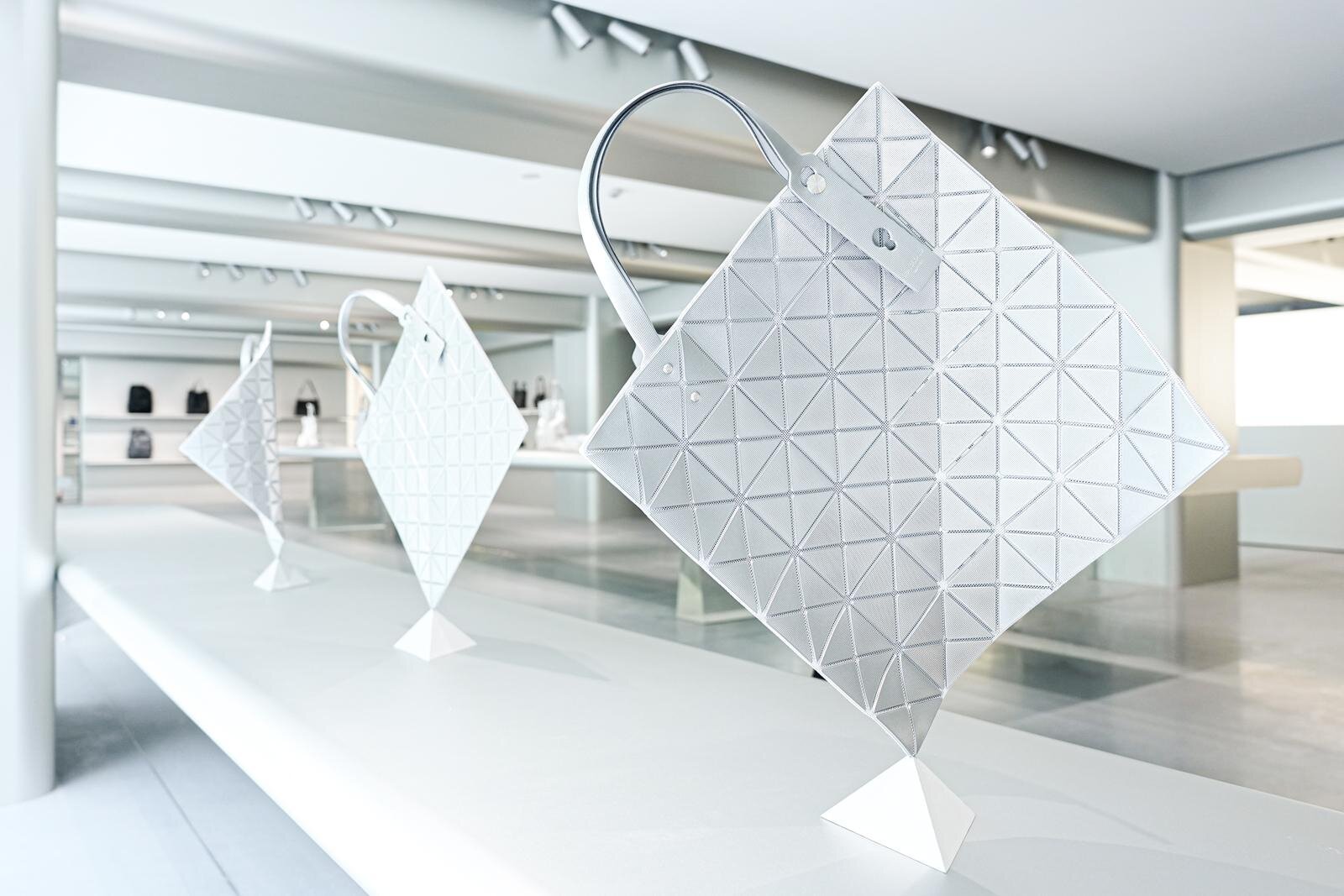
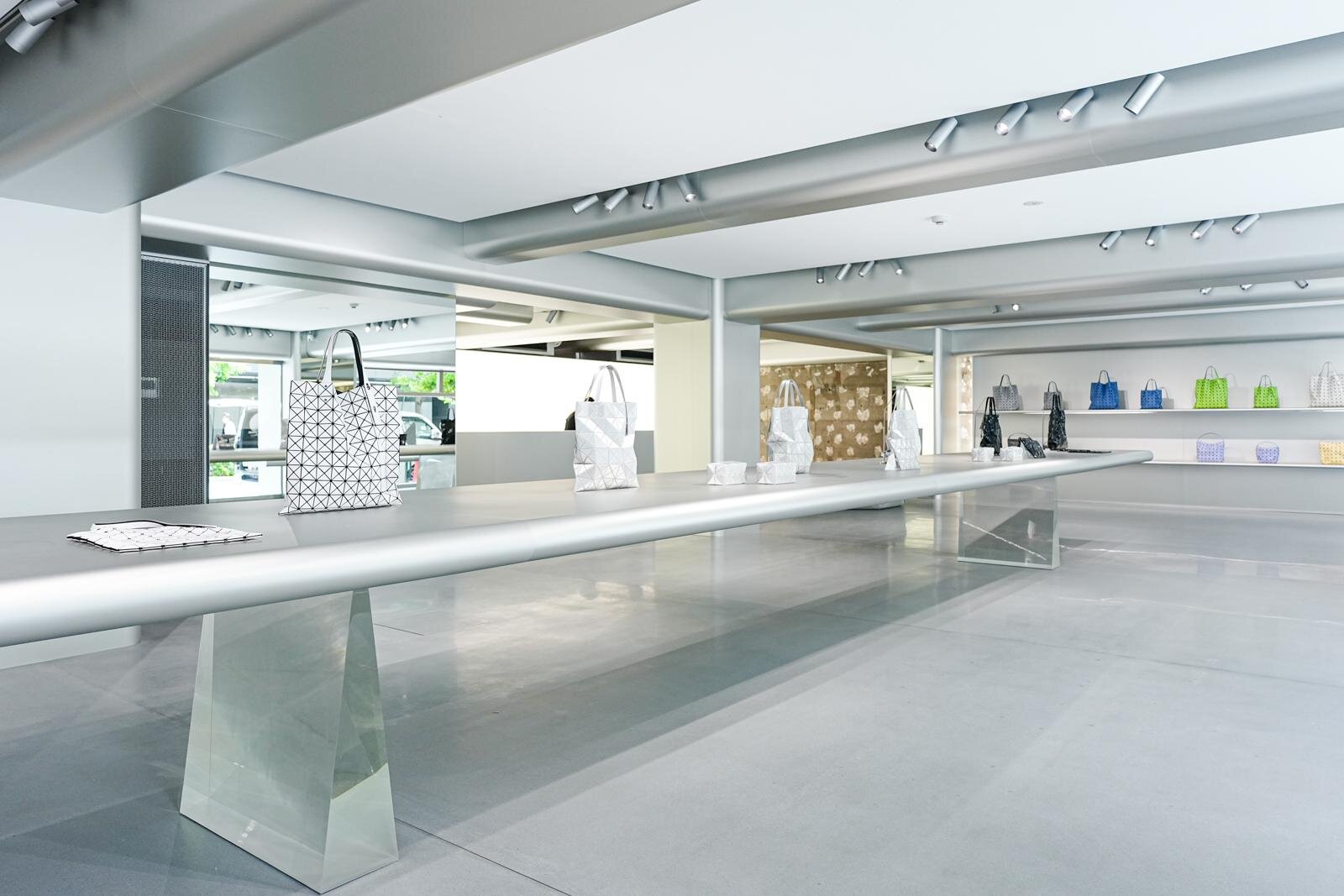
The space was designed by Tokujin Yoshioka, who has previously designed Issey Miyake flagship stores in Paris, Milan, and London. Centered around a floating aluminum table measuring over 10 meters in length, the store is designed to allow visitors to experience the brand’s innovative craftsmanship and the creative possibilities generated by its signature geometric pieces.

Flagship as Creative Platform
BAO BAO ISSEY MIYAKE uses its first flagship store in Japan not only as a retail space, but also as a platform to communicate the brand’s broader creative point of view. While the store offers the full product lineup, it also provides a dedicated venue for showcasing the brand’s design philosophy and ongoing experimentation through exhibitions and collaborative projects.
This approach aligns with the Japanese luxury market expectations. According to McKinsey’s 2022 survey of Japanese luxury consumers, in-store experiences and relationships with sales associates remain important despite the growth of digital channels. As a result, physical stores continue to play a critical role in helping brands communicate their value beyond products alone.
A key differentiator is the integration of the BAO BAO ISSEY MIYAKE LAB. initiative into the retail environment. Through this program, the brand regularly hosts exhibitions and collaborations with creators and experts. From June to August 2026, the store is presenting LAB. 01 BEYOND THE DIMENSIONS, a collaborative exhibition with artist Shoya Dozono, accompanied by the sale of limited-edition products linked to the exhibition. This transforms the store from a point of sale into an ongoing platform for brand storytelling and creative expression.
The core of the strategy is the integration of products, space, and programming into a single brand experience. Rather than relying solely on merchandise, BAO BAO uses exhibitions and collaborative projects to continually communicate its creativity and distinctiveness. The case demonstrates how a flagship store can serve not only as a sales channel, but also as a long-term platform for brand communication and customer engagement.
Differentiation through Retail
This case demonstrates that a flagship store in Japan can serve a broader role than simply displaying products. Rather than treating retail, marketing, and brand communication as separate functions, companies can use a flagship location to integrate them into a single customer experience.
When entering Japan, brands must consider how physical stores can communicate values that are difficult to convey through the products themselves. Space design, exhibitions, collaborations, and limited-edition initiatives can all be used to make brand positioning more tangible and memorable.
The case also highlights the importance of designing customer journeys beyond the point of purchase. Rather than focusing solely on product assortment, companies should consider how store environments, programming, and brand storytelling work together to communicate differentiation. In competitive retail markets such as Japan, the ability to translate brand identity into a physical experience may be just as important as the products themselves.