
Sharing the Benefits of Okinawan Botanical Ingredients
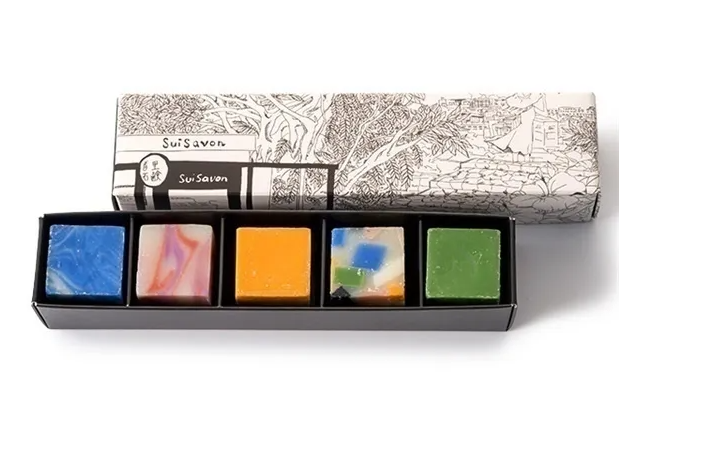
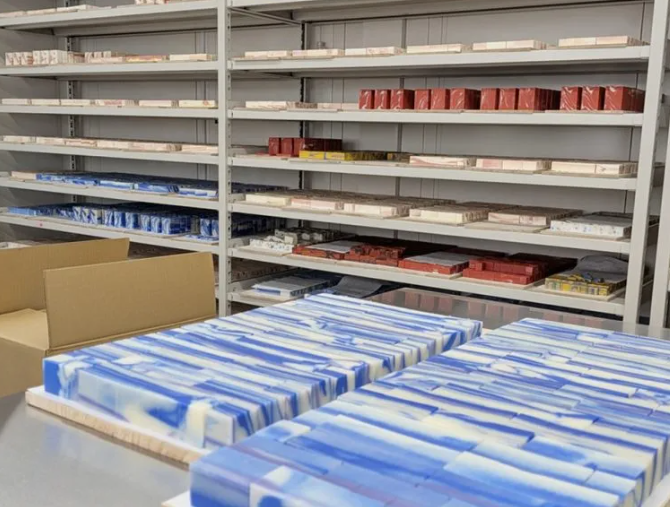
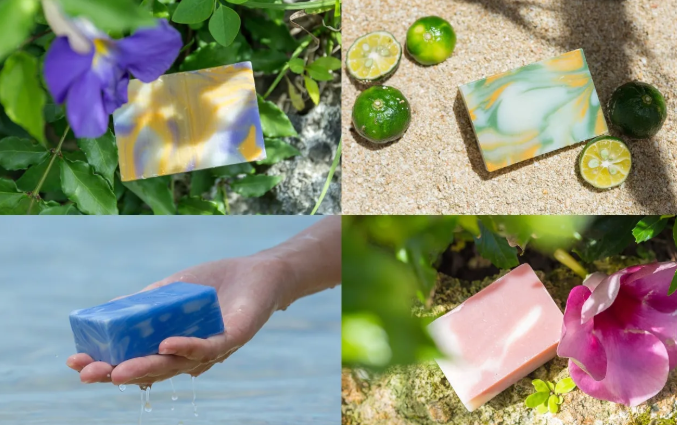
SuiSavon is an Okinawa-based skincare brand developed by Shuri Soap Co., using natural ingredients from Okinawa, including marine clay known as "kucha" and extracts from 8 types of local plants and fruits. Its flagship product is the Botanical Handmade Facial Soap, priced at more than JPY 2,000 per bar.
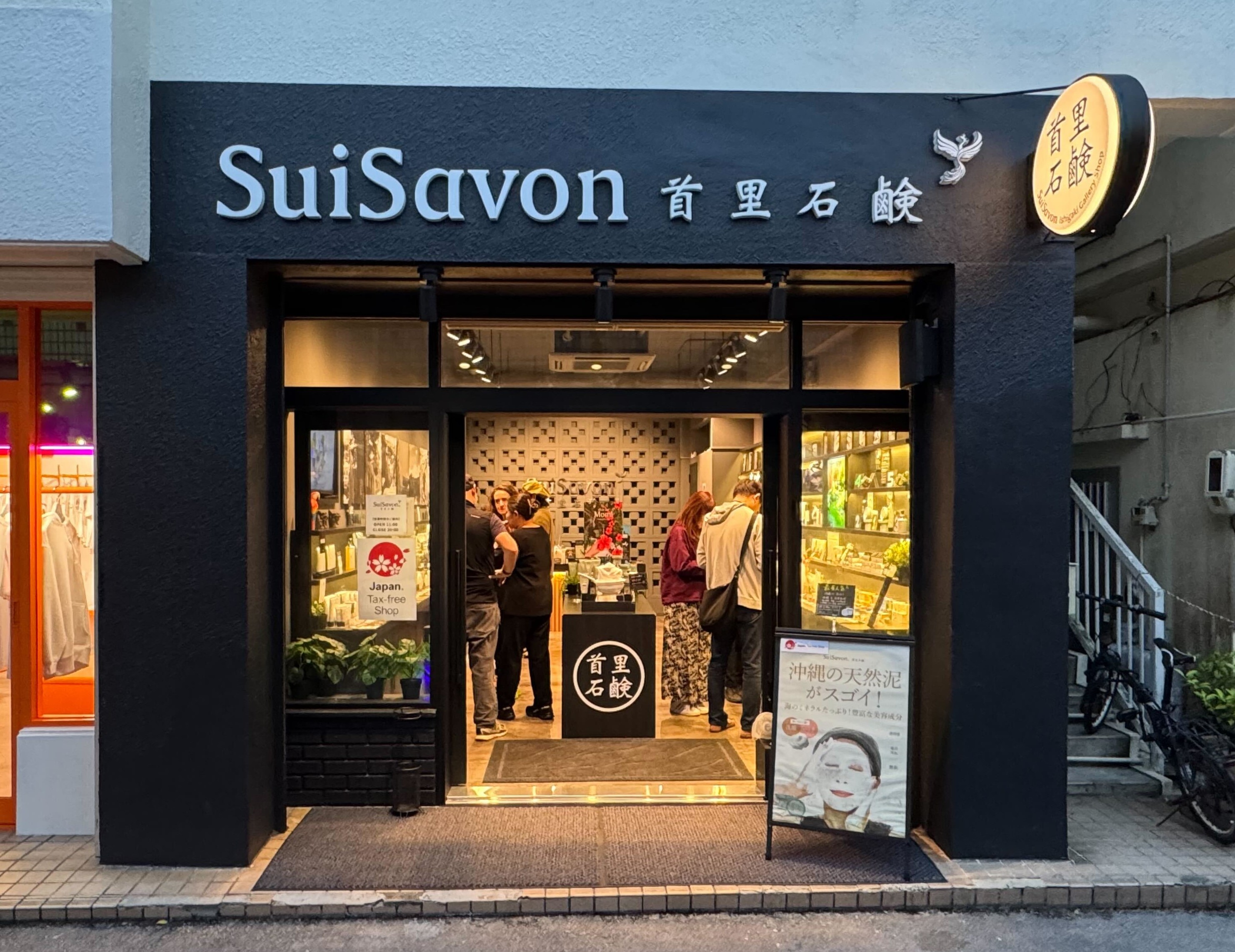
The brand has a strong retail presence in its home market of Okinawa, operating 20 stores across the prefecture, including locations in major tourist areas.
In-store, staff introduce the products through customer interactions that allow visitors to experience the product features, fragrances, and lather.
In FY2025, the company recorded sales of approximately JPY 2.7 billion, up 15% YoY. As of 2025, it operated 34 stores in Japan and in May 2026 opened its first brand store overseas in Taipei, Taiwan.

Creating a Genuine Connection with Tourists
SuiSavon exemplifies a unique use of in-person product demos with strategic retail locations and channel strategy to deliver a brand experience that drives strong sales for a premium product.
SuiSavon combines its in-store customer experience with a location strategy designed to maximize contact with tourists. One of its most important locations within their retail portfolio is Kokusai Street, one of the major tourist areas in Naha, Okinawa. Kokusai Street is a commercial district that stretches across approximately 1.6 km, where tourists do not necessarily walk from one end to the other.
Shuri Soap President Kyosuke Ogata estimates that tourists without a specific destination tend to explore only about 500 meters of the street from where they park. Rather than relying on a single store to capture traffic on the entire street, Shuri Soap operates six stores at different points along Kokusai Street, increasing the opportunities for tourists to encounter the brand.
In this tourist-heavy area, staff are prepared to recommend local attractions, making conversations with customers part of the experience rather than focusing solely on selling soap. The key to this location strategy is not simply opening stores in a busy tourist destination, but selecting store locations based on how far tourists actually move through the area to increase opportunities to come in contact with the brand.
The brand has also addressed the geographic limitations of being based in Okinawa by expanding customer touchpoints beyond the prefecture rather than depending solely on inbound visitors to Okinawa. During COVID, it operated pop-up stores at commercial facilities across Japan.
In 2021, it opened its first permanent store outside Okinawa in Osaka, at LUCUA 1100, a shopping complex directly connected to Osaka Station. They subsequently expanded into Tokyo, Aichi, and other areas throughout the country. It also positions its online store as a “place to reconnect” with customers who first discovered the brand while visiting Okinawa.
The SuiSavon growth strategy is distinct in how they designed the entire customer journey around where customers first encounter the brand and through which channels they can reconnect with it post-purchase. In Okinawa, stores are positioned around tourists’ unpredictable movements, while pop-ups and permanent stores extend physical touchpoints across Japan and e-commerce provides an additional point of reconnection. Together, these channels have enabled an Okinawa-born brand to expand its customer base beyond its home market.
Understanding the Importance of Brand POV
When entering and establishing a presence in the Japanese market, it is essential to design a framework that consistently communicates "brand value" across all customer touchpoints, rather than relying solely on product features or price.
Japanese consumers tend to evaluate a brand holistically - not just the product itself, but also in-store service, the brand story, and the overall experience before and after purchase. Thus rather than simply focusing on product features, companies must invest in store operations, staff training, and communication to create a system where customers can fully experience the brand’s POV.
Additionally, differentiation based on price competition is easily imitated and rarely provides a long-term advantage. In contrast, unique brand stories and high-quality experiences represent strengths that competitors cannot easily replicate. By designing the overall Customer Experience (CX) around the question of "what kind of experience delivers our value," companies can build a sustainable brand that wins customers for reasons beyond price.
・FY2025 Sales: Approximately JPY 2.7 billion (+15% YoY)
・Number of domestic Stores: 34
・First overseas store: Taipei, Taiwan (May 2025)